

Link diversification remains one of the strongest principles of sustainable SEO. Website owners often ask whether PBN backlinks should be combined with a nofollow link, editorial mentions, guest post placements, niche edits, citations, social mentions, and other sources. The question is not simply about dofollow vs nofollow, but about building a backlink profile that reflects how websites naturally earn references across the web.
From our experience managing private blog network infrastructure, PBN backlinks perform best when they become one element of a broader backlink strategy rather than the only link type supporting a money site. Search engines evaluate complete backlink profiles, including referring domains, anchor text diversity, topical relevance, acquisition pace, and link attributes. A balanced profile helps reduce visible patterns while supporting stable SEO growth.
For clients comparing controlled link-building methods, we often recommend reviewing the differences between PBN backlinks and outreach link building before planning long-term campaigns.
Role of Link Diversity in SEO
Link diversity strengthens a backlink profile by combining different types of backlinks, referring domains, anchor texts, and link attributes. Our agency reviews every campaign with Ahrefs, Semrush, and Majestic to verify that new placements complement existing backlinks instead of creating repetitive patterns. A diversified profile supports more consistent ranking signals because links originate from multiple sources instead of a single acquisition method.
| Diversity Element | Why It Matters |
|---|---|
| Referring domains | Reduces dependence on one source |
| Anchor text | Supports natural distribution |
| Link attributes | Balances dofollow and nofollow |
| Content relevance | Improves contextual signals |
| Link acquisition pace | Helps maintain natural growth |
Why Search Engines Expect Diverse Link Profiles
Websites naturally attract backlinks from blogs, forums, news websites, business directories, review platforms, and social communities. A healthy backlink profile also includes user-generated content, branded mentions, and occasional nofollow backlinks because real users reference content in different ways.
When nearly every backlink comes from the same link type, identical layouts, or similar domains, the profile becomes less representative of organic growth. Professional SEO campaigns therefore combine multiple acquisition methods while maintaining topical relevance and editorial quality.
Difference Between Link Variety and Link Volume
A larger number of links does not automatically improve search engine ranking. High-quality referring domains, contextual placement, topical alignment, and authority generally contribute more SEO value than simply increasing backlink counts.
Our agency evaluates every aged domain before publication because strong history and relevant content matter far more than raw volume. This approach helps build links that contribute to sustainable ranking instead of temporary spikes.
Signals Created by Balanced Link Distribution
A balanced link profile combines varied referring domains, branded anchors, partial-match anchors, URL anchors, editorial mentions, and a realistic mix of dofollow and nofollow links. Diversity also extends to content formats, publishing schedules, and contextual placement.
To maintain a healthy backlink profile, our review process includes:
- Different referring domain types
- Natural anchor text distribution
- Contextual placement within original content
- Balanced follow attributes
- Controlled link velocity
- Limited outbound links on PBN websites
- Continuous indexation monitoring
Place of PBN Backlinks Within Mixed Link Strategy
PBN backlinks fit best as one component of a diversified SEO strategy rather than a standalone solution. As a PBN agency, we manage aged domains, contextual content, anchor text distribution, and infrastructure diversity to provide controlled authority building. Results depend on domain history, topical relevance, content quality, indexing stability, and campaign planning instead of any single backlink source.
A balanced campaign may combine PBN backlinks with editorial mentions, outreach placements, branded citations, and social references. Clients seeking guidance on campaign scale can also review how many PBN links are needed before determining an appropriate link acquisition strategy.
Purpose of PBN Links
Many SEO professionals use private blog network websites because carefully selected aged domains may pass authority through contextual content placed on niche-relevant websites. Well-managed PBN backlinks also provide greater control over anchor text, destination pages, publication timing, and internal content updates.
Our workflow includes:
- Acquiring aged domains with verified history.
- Auditing backlink quality and topical relevance.
- Publishing original contextual content.
- Monitoring indexing and campaign performance.
Risks of Relying Only on PBN Links
Depending exclusively on PBN backlinks increases campaign risk because repetitive infrastructure, similar publishing patterns, aggressive anchor text, and visible footprints may reduce SEO value over time. Search engines evaluate overall link behavior instead of isolated placements.
Our agency minimizes these variables through diversified hosting, CMS variation, outbound link control, manual quality reviews, and conservative link building practices. PBN backlinks require stronger quality control than standard outreach campaigns, especially when targeting competitive search terms.
When PBN Links Become Part of Larger Link Ecosystem
The strongest campaigns rarely rely on one acquisition method. Instead, PBN backlinks often complement editorial coverage, guest post placements, digital PR, citations, branded mentions, and naturally earned references from a relevant website.
A diversified ecosystem commonly includes:
- Contextual PBN backlinks
- Editorial backlinks
- Outreach and guest posting
- Business citations
- Social mentions
- Natural links earned through quality content
Why Nofollow Links Should Be Included
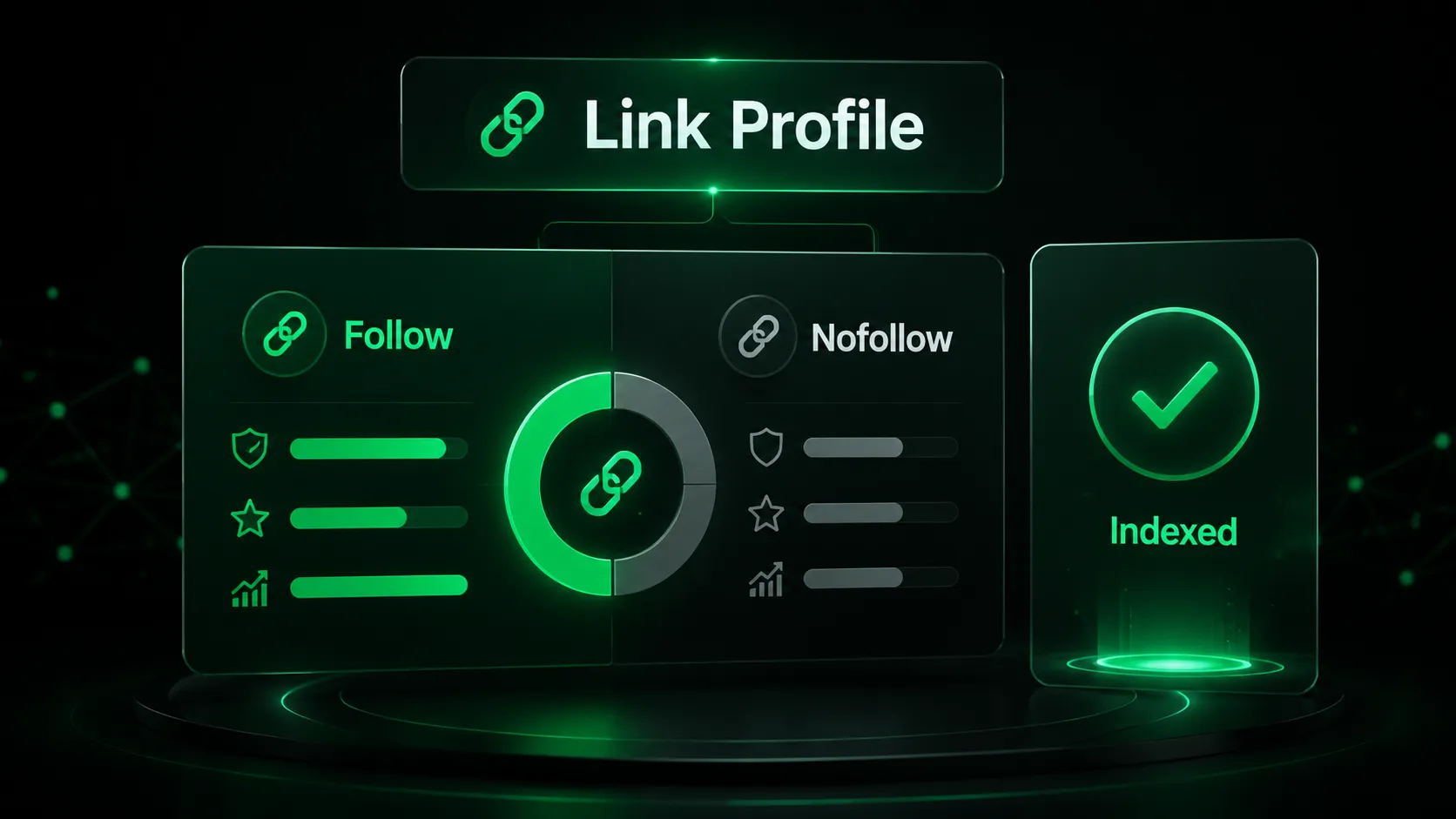
A nofollow link contributes to a more realistic backlink profile even though nofollow links do not directly transfer traditional ranking signals in the same way as follow links. Modern SEO focuses on overall credibility, referral traffic, and natural distribution instead of pursuing only one attribute.
Our backlink audits consistently show that established websites accumulate both dofollow and nofollow backlinks over time. This balanced acquisition pattern reflects how brands naturally appear across directories, forums, news platforms, social media, and user-generated content.
Difference Between Follow and Nofollow Links
The difference between dofollow and nofollow centers on the link attribute assigned to each hyperlink. Dofollow links pass authority, while the nofollow attribute generally acts as a hint that helps tell search engines how to interpret the reference rather than serving as an absolute directive.
Today, nofollow and dofollow links both contribute to a natural online presence. Although nofollow links don't pass link equity in the traditional sense, nofollow links can still support discovery, drive referral traffic, and strengthen overall visibility.
Natural Sources of Nofollow Links
Many legitimate websites automatically apply a nofollow backlink attribute to user-generated content. These references often appear naturally as brands gain recognition and discussions increase across multiple platforms.
Common sources include:
- Social media platforms
- Forums
- Blog comments
- Wikipedia
- Q&A communities
- Press release platforms
- User-generated content websites
Benefits of Balanced Follow-to-Nofollow Ratio
There is no universal ratio for nofollow and dofollow links because industries, website age, marketing activity, and audience behavior all influence link acquisition. A local business, SaaS company, publisher, and affiliate website often develop different distributions.
Instead of targeting a fixed percentage, we evaluate whether the overall link profile and can drive sustainable growth through relevant referring domains, natural anchors, realistic publishing velocity, and contextual placement. A balanced profile supports traffic and brand visibility while maintaining a credible SEO strategy.
Link Types That Complement PBN Backlinks
The most resilient SEO campaigns combine PBN backlinks with multiple backlink categories instead of depending on one acquisition method. We build campaigns around topical relevance, authority, controlled anchor text, and diversified sources. This approach creates a more balanced backlink profile while reducing reliance on any single type of backlinks.
| Link Type | Primary Contribution |
|---|---|
| Editorial backlinks | Authority and trust |
| Guest post placements | Contextual relevance |
| Niche edits | Established page authority |
| Business citations | Brand consistency |
| Social mentions | Discovery and referral traffic |
Editorial Backlinks
Editorial backlinks from relevant websites remain valuable because they are placed naturally within original content. These mentions improve topical relevance, strengthen domain authority, and help create a more authoritative online presence.
Although editorial opportunities cannot always be controlled, they complement PBN campaigns by expanding referring domain diversity. They also contribute to a natural backlink profile that reflects genuine industry recognition.
Guest Posts and Outreach Links
A quality guest post provides contextual placement on niche-relevant websites while introducing brands to new audiences. Relationship-based outreach adds diversity because publishers, writing styles, and audiences vary across every placement.
Our agency often combines outreach with PBN backlinks because different acquisition methods strengthen a broader backlink strategy. Businesses comparing campaign approaches may also find value in reading about Google updates and PBN links when planning long-term SEO investments.
Niche Edits
Niche edits place a contextual link back to your website inside existing articles that already possess authority and indexing history. The value depends on content relevance, page quality, editorial context, and the strength of surrounding backlinks.
We review every placement manually to confirm the page remains active, indexed, topically aligned, and supported by a healthy backlink profile before adding contextual links.
Business Citations, Profiles, and Directory Links
Business listings help maintain consistent brand information across trusted platforms. For local SEO campaigns, citations also strengthen business verification signals while supporting visibility in local search engine results.
Quality matters more than quantity. We recommend reputable industry directories, relevant profiles, and consistent business information instead of submitting websites to large numbers of low-value directories.
Social Mentions and Brand Signals
Social mentions usually generate a nofollow link, but they still drive traffic by exposing content to wider audiences. Increased sharing may also improve content discovery and increase brand visibility over time.
Although social platforms rarely provide traditional link juice, they contribute to brand awareness, engagement, referral visits, and diversified acquisition patterns that naturally occur across established websites.
Anchor Text Distribution Across Mixed Link Profile
Anchor text diversity is just as important as backlink diversity. Our agency reviews every placement to ensure anchors support a healthy backlink profile instead of concentrating excessively on commercial keywords. Balanced distribution helps allow search engines to evaluate contextual relevance across different referring domains.
Branded Anchors
Brand-name anchors frequently represent the largest share of established backlink profiles because customers, publishers, and partners naturally reference company names. Branded anchors also help create a natural link profile without excessive keyword repetition.
When managing PBN campaigns, we typically prioritize branded anchors before introducing more targeted keyword variations.
Generic and URL Anchors
Generic anchors such as "click here," "learn more," or naked URLs naturally appear throughout the web because users often follow the link without descriptive anchor text. These references diversify anchor distribution while making backlink acquisition appear more organic.
URL anchors also reinforce branding by displaying the website address directly and encouraging users to follow the link and pass referral visits through genuine user engagement.
Partial-Match and Exact-Match Anchors
Partial-match anchors support topical relevance while reducing over-optimization compared with excessive exact-match keywords. Exact-match anchors remain useful in moderation, but their frequency should reflect the overall SEO strategy and existing anchor distribution.
Our review process evaluates anchor diversity, referring domains, page relevance, and publishing velocity before approving new placements. Careful planning helps build links that support long-term SEO ranking rather than creating repetitive optimization patterns.
Common Mistakes When Mixing Link Types
Mixing backlink sources improves SEO only when quality, relevance, and timing remain consistent across the campaign. Our agency regularly audits client profiles to identify patterns that may reduce effectiveness or increase the overall campaign risk profile. Sustainable link building depends on disciplined execution rather than simply adding more backlinks.
Creating Unnatural Link Patterns
Repeated anchor text, identical publishing schedules, similar page templates, and sudden increases in the number of links can create predictable patterns. Search engines evaluate these signals alongside content quality, referring domains, and overall backlink profile consistency.
To reduce unnecessary footprint risks, we recommend:
- Diversifying anchor text naturally.
- Publishing links gradually.
- Varying referring domain sources.
- Maintaining realistic link velocity.
- Using original content across all placements.
Ignoring Topical Relevance
Even strong domains provide limited value when their content has little relationship to the destination page. Backlinks perform best when the referring website shares similar topics, audience interests, and editorial context.
Our review process examines domain history, page content, outbound links, and contextual relevance before approving placements. This helps help improve both user experience and long-term site's search engine ranking.
Prioritizing Quantity Over Quality
Low-quality backlinks rarely strengthen a campaign simply because they increase volume. Weak domains, poor editorial standards, excessive outbound links, or spammy environments may contribute little meaningful SEO value.
A professional campaign emphasizes:
- Verified aged domains
- Original content
- Contextual placement
- Controlled outbound linking
- Strong topical relevance
- Continuous quality monitoring
Best Practices for Building Balanced Backlink Profile
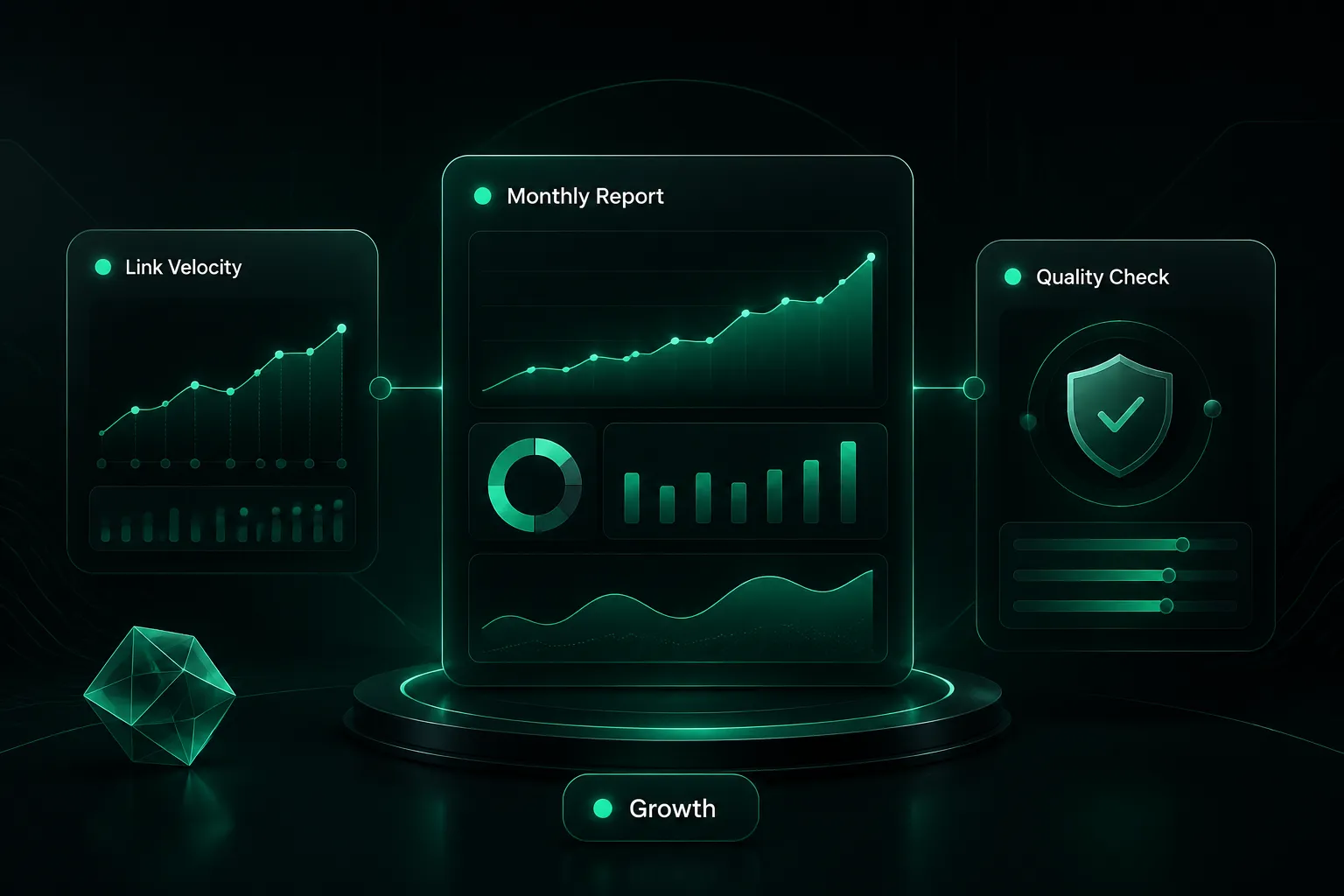
A balanced backlink profile combines multiple acquisition methods with careful planning, steady growth, and continuous monitoring. Our agency manages every campaign by reviewing infrastructure quality, anchor text, indexing, and backlink performance instead of focusing on short-term gains. This approach supports a more durable SEO and search engine strategy.
Build Links Gradually
Steady acquisition reflects how established websites naturally earn references over time. Gradual growth also helps build links without creating sudden spikes that appear inconsistent with normal website development.
Whether using editorial placements, outreach, or PBN backlinks, consistency generally produces stronger long-term results than aggressive expansion.
Monitor Link Profile Regularly
Regular monitoring allows website owners to identify lost links, indexing changes, anchor distribution, and referring domain quality before small issues become larger problems. We use Google Search Console, Ahrefs, Semrush, and Majestic to review campaign performance and verify that dofollow and nofollow links remain balanced.
Tracking should include:
- Referring domains
- Anchor text distribution
- Indexation status
- Link quality
- Organic visibility
- Lost and new backlinks
Focus on Long-Term Authority
Long-term SEO success comes from combining valuable content, editorial mentions, strong branding, and carefully managed manual link acquisition. PBN backlinks are most effective when they support—not replace—a broader authority-building strategy.
Our agency treats manually placed links as one component of sustainable growth. By combining quality content, diversified backlink sources, realistic anchor planning, and ongoing performance reviews, websites develop stronger authority, improve traffic to your website, and maintain a balanced profile across evolving search engine results pages.
FAQ
Should PBN backlinks always be mixed with nofollow links?
Yes. A diversified backlink profile generally appears more natural than one dominated by a single link type. Including a nofollow link alongside editorial, branded, and contextual backlinks helps create realistic acquisition patterns while nofollow links can still contribute referral traffic and profile diversity.
Is there ideal follow-to-nofollow ratio?
No universal ratio exists because industries, website age, competition, and marketing activity differ significantly. The objective is maintaining a realistic mix that reflects how websites naturally earn dofollow and nofollow backlinks rather than targeting a fixed percentage.
Can website rank using only PBN backlinks?
Some campaigns may achieve visibility using primarily PBN backlinks, but long-term stability usually benefits from additional editorial mentions, branded references, citations, outreach, and other different types of backlinks. A diversified profile reduces dependence on any single acquisition method.
Which backlink types work best alongside PBN links?
Editorial backlinks, guest posts, niche edits, business citations, digital PR, branded mentions, social references, and contextual links from relevant websites complement PBN backlinks by strengthening authority, relevance, referral traffic, and overall backlink diversity.
Does Google ignore nofollow backlinks completely?
No. Google's modern interpretation generally treats the nofollow attribute as a hint rather than an absolute directive. Although nofollow links do not directly transfer traditional ranking signals, nofollow links is essential for a natural profile because they can still drive traffic, support discovery, and diversify how websites link to your website.