

When planning a link building campaign, one of the first questions we hear is whether to rent PBN backlinks or build a personal private blog network. This decision affects your SEO budget, timeline, and control over your backlink profile.
As an agency that manages PBN infrastructure, we see both approaches work well under different conditions. The right choice depends on your campaign duration, technical resources, and risk tolerance. Renting offers speed and lower upfront costs, while building your own network provides long-term control and asset ownership.
Many clients ask us this question when starting new projects or expanding existing SEO strategy. We break down the practical differences so you can decide which path fits your goals and resources.
PBN Links Rental vs Own PBN Network: Main Difference
The core difference between renting and owning PBN backlinks comes down to asset control. Renting means you pay a provider for link placement on their existing blog networks. You get access to their aged domains and established infrastructure without managing anything yourself.
Building your own private blog network means purchasing expired domains, setting up websites, creating content, and maintaining the entire PBN network yourself. You own every PBN site and control all outbound link decisions.
Ownership provides independence from providers, but requires significant time and technical effort. Rental options give you immediate access to PBN backlinks without the overhead of infrastructure management. Both approaches can deliver authority backlinks when executed properly.
PBN Link Rental Model Explained
Renting PBN backlinks involves paying a provider for placements on their existing private blog network. You select target pages, provide anchor text, and the provider publishes contextual links on their PBN sites according to agreed schedules.
Most rental agreements run monthly, with prices varying based on domain quality and link placement location. Some providers offer packages with guaranteed indexing and reporting. When payments stop, the links go away, and you lose the link equity they provided.
Rental arrangements typically include content creation, placement monitoring, and basic reporting. The provider handles all technical aspects of their PBN network, including hosting, updates, and footprint protection. You simply purchase access to their backlinks without ownership responsibilities.
Own PBN Network Model Explained
Building your own PBN network means acquiring aged domains with existing authority and converting them into functional websites. You control every aspect: hosting providers, CMS choices, PBN content, and link placement strategies.
The process involves purchasing domains that still carry authority, rebuilding them with relevant content, and maintaining them as legitimate-looking blogs. Each PBN site becomes a permanent asset you can use across multiple campaigns and client projects.
Owning a private blog network requires ongoing maintenance including content updates, security patches, and hosting management. However, you retain full control over anchor text strategies, publishing schedules, and which money site pages receive backlinks.
Key Factors That Separate Both Approaches
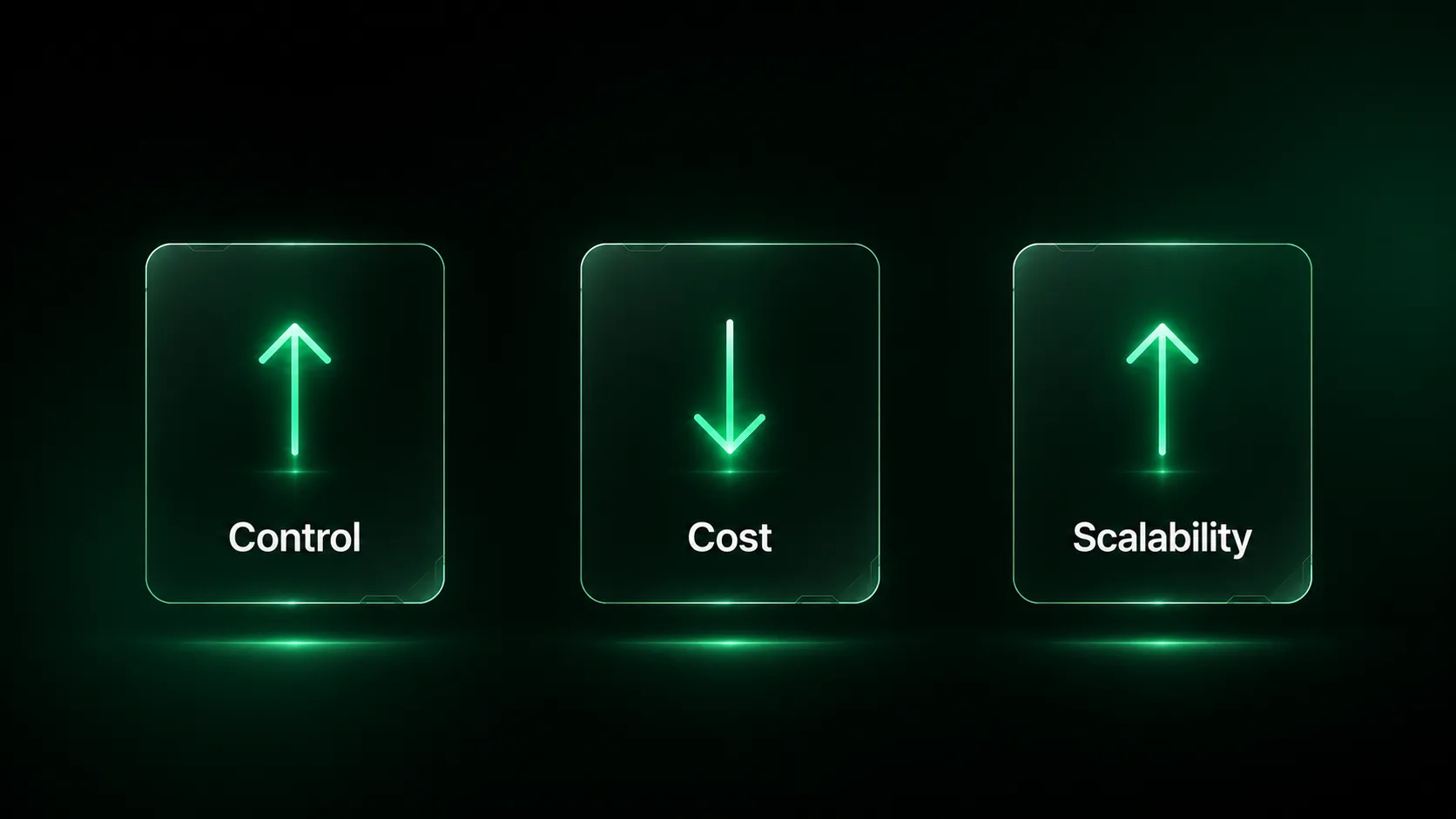
Several critical factors differentiate renting from owning PBN backlinks. Control ranks highest: ownership gives you complete authority over every aspect of your PBN network, while renting means depending on provider decisions.
Investment requirements differ substantially. Renting requires lower upfront capital but creates recurring expenses. Building your own network demands significant initial investment in domains, hosting, and content creation, but eliminates monthly placement fees.
Scalability varies between approaches. Rental providers may limit available placements or charge premium rates for additional links. Owning your network allows unlimited link building at your own pace, limited only by your infrastructure capacity and content production.
Renting PBN Links: Advantages and Disadvantages
Renting PBN backlinks offers immediate access to authority signals without infrastructure investment. Many SEO professionals start with rental links to test the waters before committing to building their own private blog network.
The model works well for short-term campaigns or when you need backlinks quickly. However, recurring costs and dependency on providers create long-term considerations that may not suit every strategy.
Benefits of Renting PBN Links
Lower Entry Barrier for New SEO Campaigns
Renting PBN backlinks removes the technical hurdles of building infrastructure from scratch. You can start campaigns with minimal investment and no specialized knowledge about domain acquisition, hosting setup, or footprint management.
Beginners can test PBN backlinks without committing thousands of dollars to domain purchases and setup costs. If the campaign doesn't deliver expected results, you simply stop renting without losing major capital investments.
Faster Link Acquisition Process
Rental providers maintain ready-to-use PBN networks with content calendars and placement systems. When you order backlinks, they can publish your links within days rather than months.
This speed advantages time-sensitive campaigns or competitive niches where quick ranking improvements matter. Building your own private blog network typically takes weeks or months to acquire domains, set up sites, and create content before any link placement happens.
Access to Existing Domain Authority
Quality rental providers offer access to aged domains with established authority metrics, existing backlink profiles, and trust signals. These domains carry link equity that can benefit your money site immediately.
Acquiring similar domains yourself requires research, bidding, and vetting. Rental providers have already done this work and maintain networks of proven domains. You benefit from their expertise and established infrastructure.
Drawbacks of Renting PBN Links
Lack of Ownership Over Backlink Assets
Rented PBN backlinks disappear when you stop paying. You never build permanent assets that continue generating value after campaigns end. This creates ongoing dependency on providers and recurring costs.
Ownership provides lasting value because your PBN sites remain under your control. Rented links are essentially leased authority that stops contributing once payments cease or providers shut down networks.
Possible PBN Footprint Risks
Not all rental providers maintain high-quality blog networks. Some use cheap hosting, duplicate content, or obvious patterns that create footprint risks. Shared networks with many clients can expose your backlink profile to detection.
We recommend choosing a PBN link provider carefully by asking about hosting diversity, content creation processes, and outbound link policies. Quality providers maintain clean networks with varied IP addresses and natural content.
Monthly Costs Over Long-Term Campaigns
Rental fees accumulate quickly over extended campaigns. A $200 monthly placement costs $2,400 annually per link. Multiple links across several months can exceed the cost of building your own PBN network with multiple sites.
Long-term campaigns benefit from ownership because you eliminate recurring placement fees. The break-even point varies, but many SEO professionals find ownership more cost-effective after 12-18 months of consistent PBN link building.
Building Own PBN Network: Advantages and Disadvantages
Building your own private blog network requires significant upfront investment but offers long-term control and asset ownership. Many agencies and experienced SEO professionals prefer ownership for the flexibility and independence it provides.
The approach suits businesses managing multiple websites or planning extended campaigns. However, the technical demands and ongoing maintenance require dedicated resources and expertise.
Benefits of Owning PBN Websites
Complete Control Over Link Placement
Owning your PBN network means you decide exactly when and where links appear. You control anchor text choices, target page selections, and publishing schedules without coordinating with providers.
This control enables precise campaign execution. You can respond quickly to ranking changes, adjust strategies, and test different approaches. No provider limitations constrain your SEO decisions.
Creation of Long-Term SEO Assets
Each PBN site you build becomes a permanent asset for your business. These domains continue generating link equity across multiple campaigns and client projects without recurring rental costs.
Aged domains appreciate in value as they accumulate content and authority. Well-maintained PBN sites can support SEO efforts for years, providing consistent backlinks whenever needed.
Better Scalability for Large SEO Projects
Agencies and affiliates managing many websites benefit from owning infrastructure. Your PBN network can scale to support multiple money sites simultaneously without paying rental fees per placement.
Owning allows unlimited link building at your own pace. You can expand as needed without provider pricing changes or availability constraints.
Drawbacks of Building Personal PBN Networks
High Initial Investment Requirements
Building a quality private blog network requires substantial upfront capital. Aged domains with clean histories cost $100-$500+ each. Hosting, content creation, and setup expenses add significantly to the total investment.
A five-site PBN network might cost $2,000-$5,000 to establish properly. This investment often exceeds short-term rental budgets, making ownership less accessible for smaller campaigns.
Domain Research and Acquisition Challenges
Finding quality expired domains requires expertise and patience. You must evaluate domain history, check for past penalties, verify backlink profiles, and ensure relevance to your niche. Poor domain selection undermines your entire PBN network.
Aged domains with strong authority often attract competition and high bids. The acquisition process takes time and skill to identify valuable opportunities and avoid problematic domains.
Continuous Network Maintenance
Owning a PBN network demands ongoing attention. You need to publish fresh content, update themes and plugins, monitor hosting performance, and check for footprint vulnerabilities. Neglected PBN sites lose authority and become liabilities.
PBN management requires technical skills and consistent effort. Content production alone represents significant ongoing work. Without proper maintenance, your network's effectiveness declines over time.
Cost Comparison: Renting PBN Links vs Building PBN Network
Financial analysis helps determine which approach fits your budget and timeline. Both options involve different cost structures that affect total investment over time.
We break down expenses so you can calculate the break-even point for your specific situation. Consider both immediate costs and long-term commitments when comparing options.
Initial Costs of Renting PBN Links
Rental PBN backlinks require minimal startup expenses. Most providers charge per link or per package without setup fees. You can start campaigns with as little as $100-$300 for a few placements.
There are no domain purchases, hosting costs, or content production expenses. The provider handles all infrastructure. Your only commitment is the recurring placement fee, typically billed monthly.
Initial Costs of Creating Personal PBN
Building your own PBN network involves multiple upfront expenses. Domain acquisition costs $100-$500 per quality aged domain. Hosting for 5-10 sites adds $100-$300 monthly depending on providers and IP diversity.
Content creation represents significant investment. Each PBN site needs 10-20 articles to appear legitimate. Professional content costs $50-$150 per article, totaling $2,500-$7,500 for a small network.
Long-Term ROI Comparison
Rental costs remain constant over time but never create assets. A $200 monthly link costs $2,400 annually with no residual value. Five links over two years total $24,000 in recurring expenses.
Ownership costs decrease over time as initial investment amortizes. A five-site PBN network might cost $10,000 to build but provides indefinite value. After 2-3 years, ownership typically becomes more cost-effective than renting.
Hidden Expenses Behind PBN Ownership
Beyond initial setup, ownership includes ongoing costs often overlooked. Domain renewals cost $10-$15 annually per domain. Hosting expenses continue monthly. Content updates and new articles require continuous production.
Security monitoring, plugin updates, and occasional replacements for lost or penalized domains add to the total cost. Factor these expenses into your budget before committing to building your own PBN network.
PBN Link Quality Factors To Consider Before Choosing
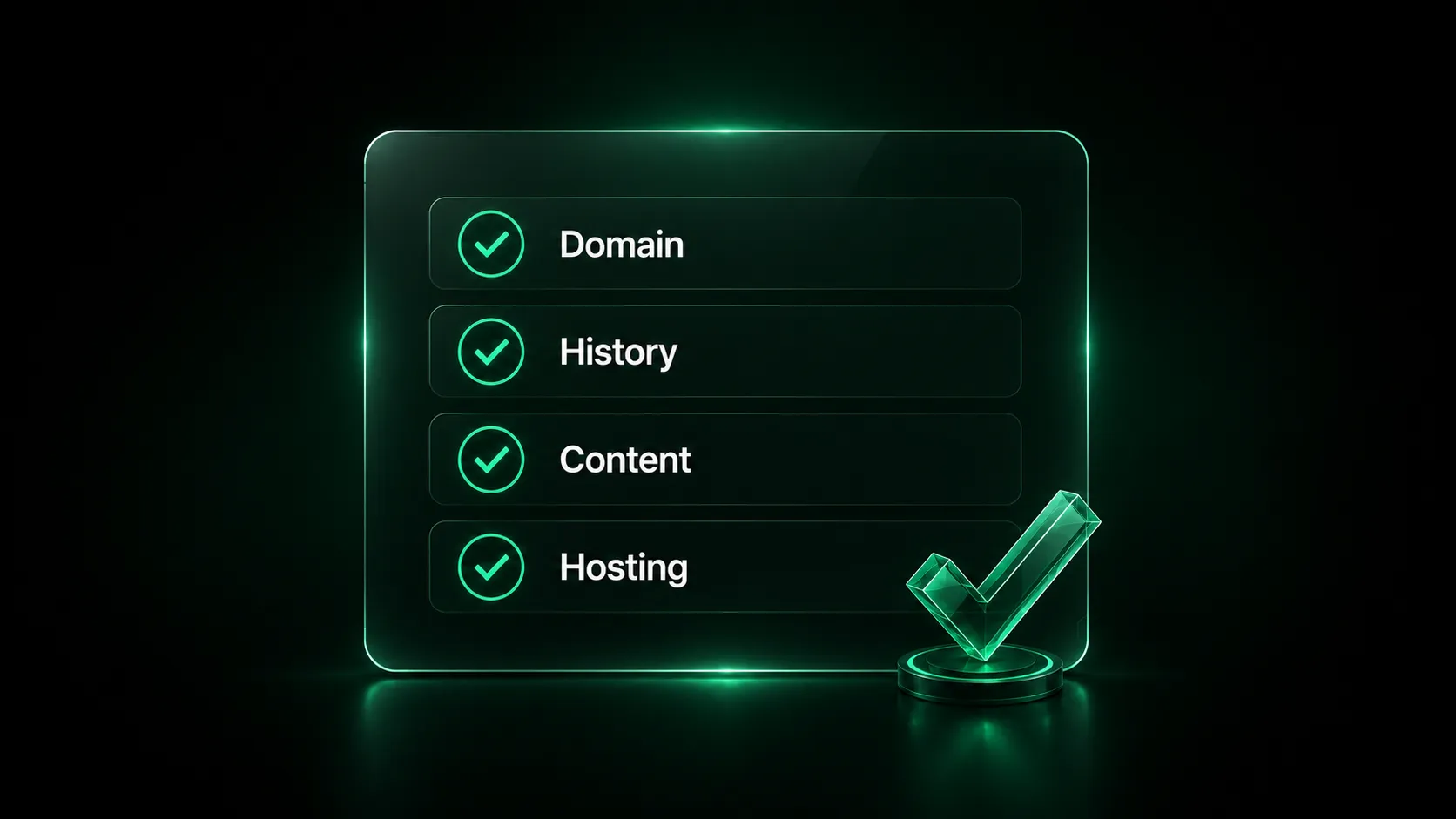
Link quality determines campaign effectiveness regardless of whether you rent or own. Understanding evaluation criteria helps you select better backlinks and reduce ranking volatility.
We recommend assessing several factors before committing to any PBN backlinks. Quality considerations should guide your decision-making process.
Domain Authority and Backlink Profile
Evaluate each domain's authority metrics using tools like Ahrefs or Semrush. Look for domains that still carry authority with natural backlink profiles featuring diverse referring domains and relevant anchor text distributions.
Check for spam signals or unnatural patterns in the backlink profile. Clean history indicates lower risk. Avoid domains with many low-quality or irrelevant links pointing to them.
Key domain quality checks:
- Trust flow and citation flow ratios
- Referring domain diversity
- Anchor text distribution patterns
- Historical backlink growth trajectory
- Presence of natural editorial links
Domain History and Previous Usage
Research domain history using tools like Archive.org and WHOIS records. The domain should have consistent topical relevance and a legitimate previous existence. Sudden topic changes or long inactive periods raise concerns.
Verify the domain hasn't been used for spam or penalized previously. Checking Google Search Console data where available provides additional confidence about domain quality.
Content Quality Across PBN Websites
Quality PBN content should read naturally and provide value to hypothetical readers. Avoid thin articles, AI-generated gibberish, or obvious keyword stuffing. Content length should exceed 500 words with proper structure and formatting.
Each PBN site needs sufficient content to appear legitimate. A site with only 5-10 articles and limited update history looks suspicious. Consistent publishing patterns improve credibility.
Hosting and Footprint Management
Hosting diversity matters for PBN safety. Domains should use different hosting providers, IP addresses, and nameservers. Class-C IP diversity reduces detection risk. Shared hosting patterns create easily detectable footprints.
Check that providers use varied CMS platforms, themes, and plugins. Identical technical setups across PBN sites signal network existence and increase risk. Professional PBN management addresses these factors systematically.
Relevance Between PBN Site and Target Website
Topical alignment between your money site and PBN sites improves backlink value. Search engines evaluate contextual relevance when assessing link equity. Links from related niches carry more authority.
Out-of-niche backlinks may still provide value but appear less natural. Prioritize PBN backlinks from sites covering similar topics or serving related audiences. Relevance also reduces unnatural link pattern risks.
When Renting PBN Links Makes More Sense
Renting PBN backlinks fits certain scenarios better than ownership. Understanding these situations helps you choose the approach that matches your specific needs.
We recommend rental options for campaigns with limited scope or when testing new strategies.
Short-Term SEO Campaigns
Rental backlinks work well for temporary campaigns like product launches, seasonal promotions, or event-based SEO. When you only need ranking boosts for limited periods, renting avoids long-term commitments.
Short-term campaigns benefit from faster implementation and lower upfront costs. You can quickly deploy PBN backlinks and scale back when the campaign ends without maintaining unused infrastructure.
Limited SEO Budgets
Small businesses or startups with constrained budgets may prefer renting to preserve capital. Rather than investing thousands in aged domains and setup costs, you can allocate funds toward other SEO priorities.
Rental monthly payments offer predictable expenses that fit cash flow management. You can start small and increase investment as results justify additional spending.
Testing New Niches and Keywords
Before committing to building a PBN network in a new niche, rent backlinks to test viability. Evaluate whether the niche responds well to PBN backlinks and whether you can achieve desired ranking improvements.
Testing reduces risk before larger investments. If results disappoint, you stop renting without holding useless domains or infrastructure. Successful tests provide confidence for ownership decisions.
Lack of Technical SEO Resources
Teams without PBN management expertise benefit from renting. Providers handle all technical aspects including hosting, security, updates, and footprint protection. You focus on strategy while they manage infrastructure.
Renting eliminates learning curves and potential mistakes that plague beginners building their own networks. Professional providers maintain established systems that work consistently.
When Building Own PBN Network Makes More Sense
Ownership provides advantages for certain SEO strategies and business models. We recommend building your own PBN network when long-term control and asset value matter most.
Consider ownership if you have technical resources and plan extended campaigns.
Long-Term SEO Investment Strategy
Businesses committed to long-term organic growth benefit from owning PBN infrastructure. Over years, ownership costs decrease while rental expenses accumulate. Your PBN sites become appreciating assets.
Long-term SEO strategies require consistent backlink sources. Ownership ensures uninterrupted access to PBN backlinks regardless of provider changes or market conditions.
Multiple Website Management
Agencies and affiliates managing many money sites benefit from controlling their own PBN network. You can support all projects from one infrastructure without paying per-site rental fees.
Ownership enables efficient resource allocation. Create content once and use backlinks across multiple campaigns. This approach maximizes return on investment for PBN management efforts.
Need for Full Link Control
Campaigns requiring precise anchor text strategies, timing, and customization benefit from ownership. Provider limitations can constrain execution when you need specific link placement characteristics.
Ownership allows testing different approaches and adjusting quickly. You can publish backlinks when needed without provider approvals or scheduling delays.
Scaling SEO Operations
Growing businesses can expand PBN networks alongside their operations. Additional PBN sites support increased link building demands without provider pricing changes or availability constraints.
Ownership enables unlimited scalability within your budget. As your SEO needs grow, your PBN network grows with them without external dependencies.
Common Mistakes When Renting PBN Links
Even quality rental providers can produce disappointing results when misused. Avoiding common errors improves campaign effectiveness and reduces risks.
We share these mistakes based on our experience helping clients optimize PBN backlink strategies.
Choosing Cheapest PBN Providers
Low prices often indicate weak domains, spam networks, or poor maintenance. Quality PBN backlinks require investment in aged domains, original content, and proper hosting. Providers charging $5-$10 per link likely cut corners.
Focus on value rather than lowest price. Evaluate domain quality, content standards, and provider transparency before committing. Cheaper options frequently deliver lower link equity and higher risk.
Ignoring Link Placement Quality
Context matters significantly for backlink effectiveness. Placements on low-quality pages, with poor surrounding content, or in irrelevant contexts reduce value. Evaluate where your links appear before approving placements.
Good providers allow you to review placement locations and suggest alternatives. Avoid providers who won't show you where links will appear or restrict your ability to evaluate quality.
Using Too Many Links Too Quickly
Natural-looking growth patterns matter for SEO safety. Adding many PBN backlinks simultaneously creates unnatural spikes that attract scrutiny. Gradually building your backlink profile maintains natural appearance.
Space link placement over weeks or months rather than bulk publishing. Natural link velocity reduces detection risk and supports stable ranking improvements.
Depending Only On Rented Links
Relying entirely on rented PBN backlinks creates vulnerability. If providers disappear or networks get flagged, your entire backlink profile collapses. Diversification across multiple sources reduces this risk.
Combine PBN backlinks with other strategies like guest posts, niche edits, and editorial coverage. A balanced backlink profile provides stability and reduces dependency on any single source.
Red flags when renting PBN links:
- Provider refuses to share domain lists
- Unusually low pricing compared to market rates
- No transparency about hosting or content practices
- Guarantees of specific ranking positions
- Limited or no reporting on placement details
Common Mistakes When Building Own PBN Network
Building your own private blog network presents unique challenges. Beginners often make mistakes that undermine effectiveness or create unnecessary risks.
We see these issues frequently and recommend avoiding them through proper planning and execution.
Buying Low-Quality Expired Domains
Poor domain selection creates ineffective or risky PBN sites. Domains with spam history, penalties, or weak authority fail to pass meaningful link equity. Some carry hidden problems that surface after purchase.
Always vet domains thoroughly before acquisition. Check backlink profiles, archive history, and authority metrics. Avoid domains with suspicious patterns or unclear histories.
Creating Obvious Network Patterns
Identical technical configurations across PBN sites create detectable footprints. Using the same hosting provider, IP address range, theme, or content structure signals network existence.
Diversify every technical element. Use different hosting providers, varied CMS platforms, unique themes, and distinct content styles. Professional PBN management prioritizes footprint prevention systematically.
Publishing Thin Content
Low-quality articles reduce credibility and potential link value. Thin content fails to convince search engines that PBN sites are legitimate publications. Spun or AI-generated content creates obvious quality signals.
Invest in original, readable content that adds value. Each PBN site should publish useful articles that could attract natural readers. Quality content supports authority development and reduces detection risk.
Neglecting Network Maintenance
Abandoned PBN sites lose authority over time. Inactive domains send signals of neglect that reduce link equity and increase risk. Search engines favor actively maintained sites with fresh content.
Schedule regular content updates and technical maintenance. Check hosting performance, security, and plugin updates consistently. Active networks maintain authority and support ongoing link building.
Essential PBN maintenance tasks:
- Publish new content monthly on each site
- Update CMS, themes, and plugins regularly
- Monitor hosting uptime and performance
- Check for broken links or technical issues
- Review domain expiration dates and renew proactively
Hybrid Approach: Combining Rented PBN Links and Own Network
Many SEO professionals combine rental and ownership strategies instead of choosing one approach. Hybrid models leverage the strengths of both methods while minimizing weaknesses.
We often recommend hybrid approaches for clients with evolving needs and budgets.
Using Rental Links For Testing
Rented PBN backlinks provide low-risk testing opportunities. Evaluate new niches, keywords, or strategies without building infrastructure. If tests succeed, you gain confidence to invest in ownership.
Testing reduces risk before larger commitments. You can validate assumptions and refine approaches without wasting aged domain investments on unproven strategies.
Building Personal Network Gradually
Start with rented PBN backlinks while slowly acquiring domains and building your own PBN network. This phased approach spreads costs and reduces initial investment requirements.
As your network grows, reduce rental dependency. Eventually replace rented backlinks with owned ones, eliminating recurring costs while maintaining consistent link building capacity.
Balancing Budget and Control
Combining approaches optimizes budget allocation. Use rented backlinks for immediate needs while building owned assets for long-term value. This balanced strategy maintains campaign momentum during network development.
Adjust the mix over time as your PBN network grows. Start rental-heavy and transition to ownership as infrastructure matures and campaign scale increases.
How To Decide Between Renting PBN Links and Building Own Network
Decision frameworks help match your situation with the right approach. Consider multiple factors rather than focusing on any single variable.
We guide clients through this evaluation regularly and share our structured approach below.
Evaluate SEO Goals
Campaign duration and objectives influence the right choice. Short-term projects favor renting while long-term strategies justify ownership. Competitive niches requiring sustained link building often benefit from ownership.
Consider whether you need temporary ranking boosts or permanent backlink assets. Your goals determine which approach provides better return on investment.
Calculate Available Budget
Compare immediate expenses against long-term investment potential. Limited budgets may start with renting while building capital for network ownership. Larger budgets can skip rental phases and build networks immediately.
Calculate break-even points for your specific situation. Include hidden costs like maintenance and content production in ownership calculations.
Assess Available Resources
Consider time, technical skills, and management capacity. Teams lacking PBN management expertise should rent or hire professionals. Experienced SEO teams can build and maintain networks effectively.
Resource constraints often dictate practical choices. Be realistic about what your team can handle without compromising quality or campaign effectiveness.
Consider Risk Tolerance
Different approaches involve different risk profiles. Renting shifts technical risk to providers but creates dependency. Ownership places full risk on you but provides control and asset value.
Evaluate your comfort with provider dependency versus the responsibility of PBN management. Choose approaches matching your risk tolerance and contingency planning.
Decision-making checklist:
- How long will your campaign run?
- What is your monthly SEO budget?
- Do you have technical expertise in-house?
- How many money sites need backlinks?
- Can you sustain content production for owned sites?
- What's your tolerance for provider dependency?
Final Verdict: Rent PBN Links or Build Own PBN Network?
The best choice depends on your specific budget, goals, resources, and control requirements. Neither approach universally outperforms the other. Success comes from matching the approach to your situation.
Renting PBN backlinks suits short-term campaigns, limited budgets, testing, and teams without PBN management expertise. Ownership benefits long-term strategies, multiple website management, and campaigns requiring complete control.
Many successful SEO professionals start with rented backlinks and gradually build their own networks as campaigns expand. This hybrid approach balances immediate needs with long-term asset development.
Consider your campaign timeline, available resources, and risk tolerance when choosing. Both approaches can deliver effective backlinks when executed properly. Focus on quality implementation regardless of which path you select.
For a detailed comparison of link building methods, review our PBN vs outreach link building analysis. Understanding how many PBN links you need helps determine the scale of investment required for either approach.
FAQ: Renting PBN Links vs Building Own PBN Network
Is renting PBN links cheaper than building a private network?
Renting costs less initially but becomes more expensive over time due to recurring fees. Building your own network requires higher upfront investment but eliminates ongoing placement costs. The break-even point typically occurs after 12-18 months of consistent usage.
Are rented PBN links effective for SEO?
Effectiveness depends on domain quality, relevance, and link placement. Professional providers with clean networks deliver effective backlinks that improve ranking. However, results vary based on implementation quality and backlink profile context.
How much does it cost to build a PBN network?
Building a five-site PBN network typically costs $5,000-$15,000 including domain acquisition, hosting, content creation, and setup. Ongoing maintenance adds $200-$500 monthly. Costs vary based on domain quality, content standards, and hosting choices.
How long does it take to build a personal PBN network?
Domain acquisition and site setup takes 1-3 months for a small network. Creating sufficient content for each PBN site adds 2-6 weeks. Total timeline ranges from 2-5 months depending on resources and efficiency.
Can rented PBN links disappear?
Yes, rented links disappear when payments stop or providers shut down networks. You have no ownership rights to the backlinks or domains. This creates dependency on providers and potential ranking volatility.
Is owning a PBN network safer than renting links?
Ownership provides control over quality and footprint management, potentially reducing risk. However, poor execution can create problems regardless of ownership status. Quality implementation matters more than ownership structure.
Should beginners rent PBN links or build their own network?
Beginners should start with rented PBN backlinks to learn strategies without infrastructure complexity. Building a network requires significant expertise. Gain experience with rentals before considering ownership.
Can a hybrid PBN strategy work better than choosing one option?
Yes, combining rented links and owned assets provides flexibility. Rent for immediate needs while building your network over time. This approach balances costs and control while maintaining campaign momentum.